☀️ Heading to France with Little Ones?
Here’s Your Family-Friendly Travel Guide you need to read
well before you pack your suitcase
Planning a trip to France with babies, toddlers and young children is exciting — from crêpes for breakfast to dipping your toes in a warm pool, but perhaps a little terrifying too! Before you pack the favourite teddy, here’s the crucial travel info you need (and some reminders that save stress at border control!).
🛂 Passport Rules: Don’t Be Caught Out!
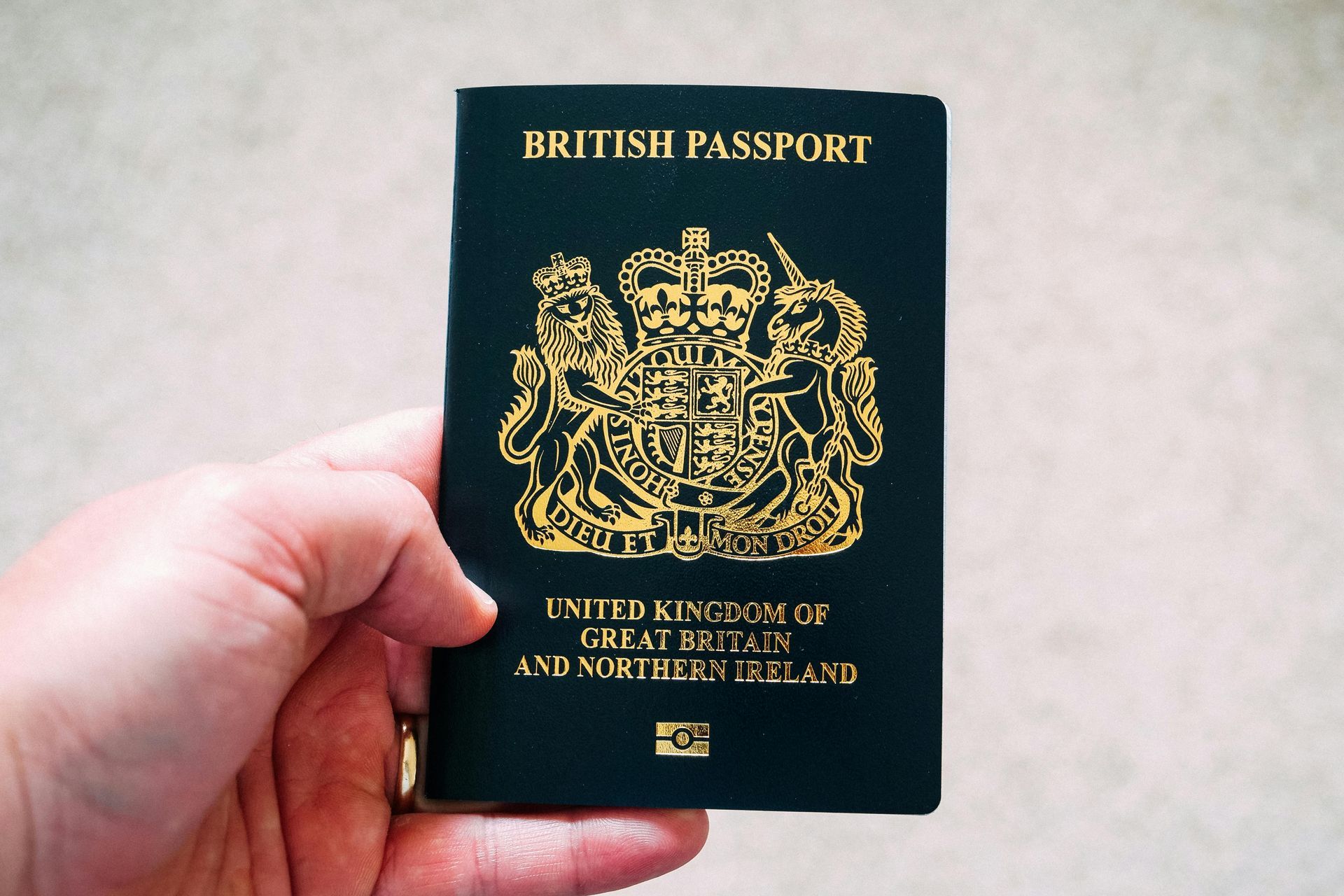
France follows Schengen passport requirements, and getting this right is the first thing to tick off your list before a family getaway.
Key passport points:
Each traveller — including babies and toddlers — must have a passport that:
Was issued less than 10 years ago (for adults, 5 years for minors)
Is valid for at least three months after you plan to leave the Schengen area.
📌 That means if your trip ends 10 August, make sure every child’s passport is valid beyond 10 November!
If you miss this, officers will refuse entry at the border.
🎒 Travel tip: little ones need their own passport, and these take time to issue. So don't forget your newborn baby ( you won't believe how many families have got to passport control without a passport for the new member of their family!)
Also double-check expiry dates on older children’s passports as they only last 5 years.
The British Government also suggests having proof of return/onward tickets, travel insurance, accommodation details and funds available — especially if border officers ask for extra documentation at the checkpoint.
📍And a big recent change: if you have dual-nationality, you must return to the UK on a valid British passport (or a certificate of entitlement) or risk being stopped at the border.
EES/ ETIAS Entry rules update for UK families travelling to France
- For summer 2026: You do not need to apply for ETIAS yet. Travel will continue much as it does now, although the EU’s new Entry/Exit System (EES) has begun, meaning biometric facial data and fingerprints will be taken and for British passport holders, stamping the passport too which may add a considerable extra time - so turn up early!
- For 2027 (likely): UK travellers will need to apply online for ETIAS before travelling to France or elsewhere in the Schengen area.
ETIAS will be a simple online form with a small fee; children and over-70s are expected to be fee-exempt, but everyone will still need an approved authorisation linked to their passport.
Families are advised to check official guidance before travel, but no extra applications are expected for summer 2026 holidays.
Full details here https://travel-europe.europa.eu/en/etias
👶 Before You Go: Family-Specific Checks
Here’s where many holiday-makers slip up — children’s documents:
✅ Check EVERY Passport
Sounds obvious, but adults often check theirs and forget baby-or toddler passports. Ensure:
- They exist for each child.
- They meet the Schengen validity rules (remember the 3-month rule!).
✅ Extras You Need
- Carry travel insurance that includes medical cover for your children.
- Know how your insurer handles young kids — does it cover pediatric care abroad? Some don’t automatically.
🚗 Driving in France with Kids — What to Know

Driving in France with your little people can be magical — meandering village lanes, castle views, quiet roads and even quiet motorways with plenty of 'aires' where you can take a break, go to the loo and burn off some energy — but family bliss doesn’t happen without a bit of planning. Here are some essentials from our own driving-blog wisdom:
Legal and Safety Must-Haves
- Always carry your driving licence, passport and car documents — French police do random checks, especially on routes from ferries or Eurotunnel.
- A UK or country relevent sticker to display on the rear of your vehicle (if your registration plate does not carry the country identifier)
- High-visibility jackets should be in the front, easily accesible BEFORE you exit the vehicle and recommended for everyone, not just the driver.
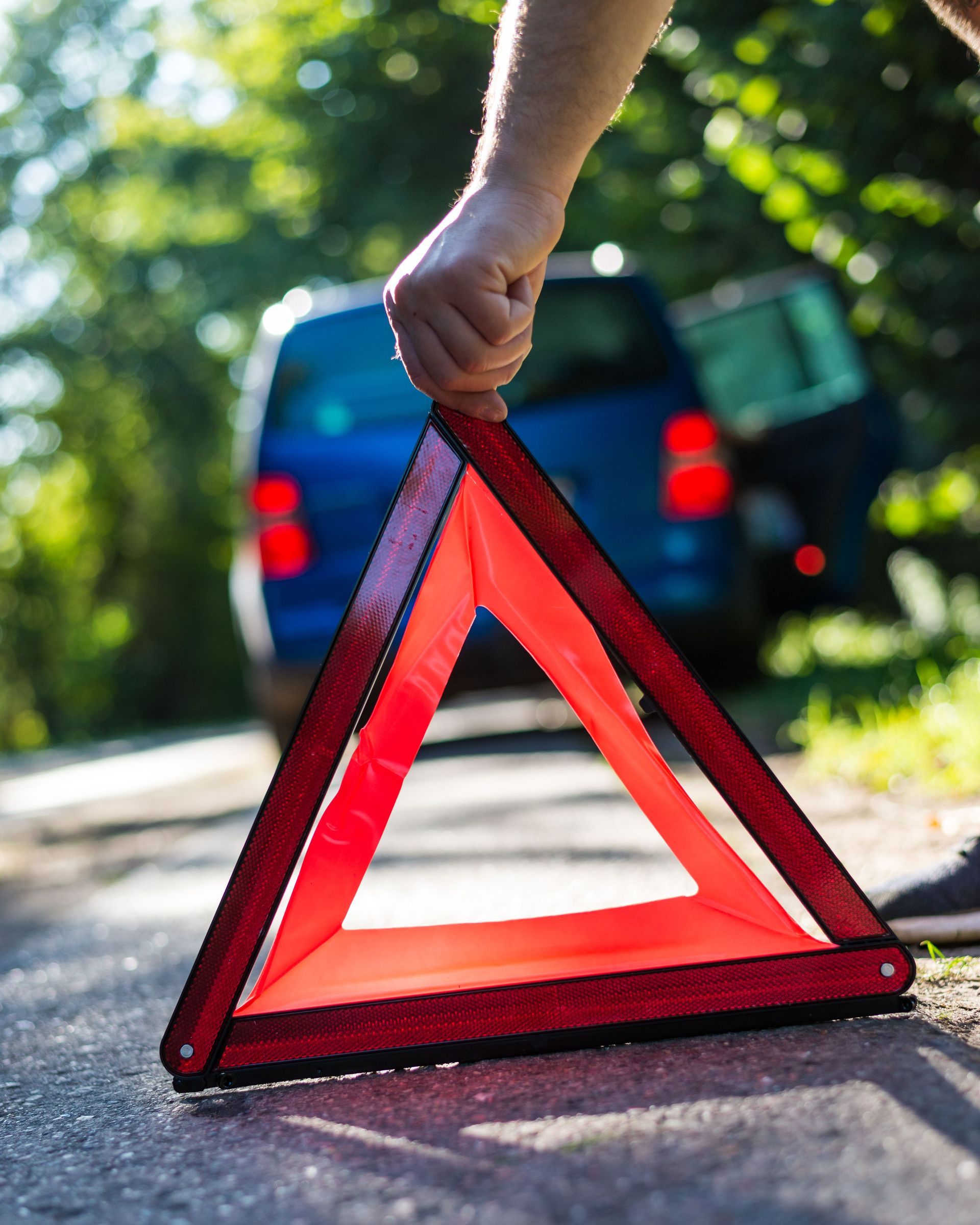
- A warning triangle is required in your vehicle and must be placed behind the vehicle at a distance of at least 30m, if you break down.
- Headlight beam convertors for right hand drive vehicules
- Spare bulbs and fuses (recommended)
- First aid kit (recommended)
- Breathalyser kits aren’t enforced anymore but is recommended
🚫 What Not to Bring (and What to Watch Out For)
Before you load up the car and hit the ferry or Eurotunnel, it’s worth knowing that some everyday items from the UK are a definite no-no in France.
Radar detectors are illegal and carrying one could land you with a fine of up to €1,500.
France is also strict about bringing food into the country. You’re not allowed to take:
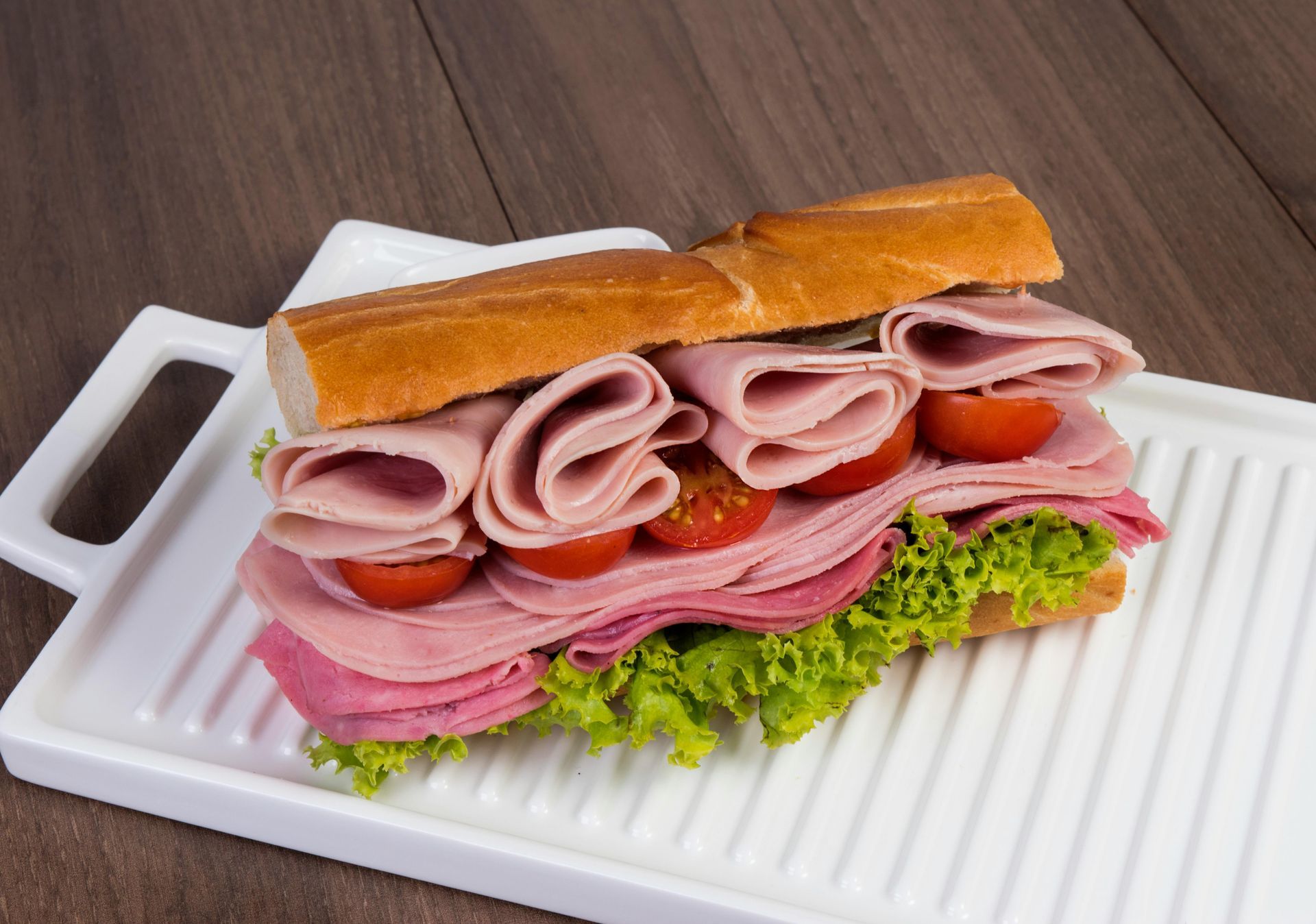
- Meat or meat products
- Milk or dairy products ( exceptions for baby milk)
Other items are restricted too and may only be allowed if officially inspected beforehand:
- Fresh fruit (except bananas, coconuts, dates, pineapples and durians)
- Vegetables, plants or plant-based products
If in doubt, leave it at home — it’s far easier than explaining a bag of sausages at the border with a hungry toddler on your hip.
Good to know:
Our local supermarket stocks fresh milk (full fat and semi skimmed) dairy and gluten free produce and lots of international brands such as Kellogs cereals and Pampers nappies
🧳 Practical Family Tips That Keep Trips Smooth
Here are a few of the family-friendly lessons seasoned parents swear by:
📅 Arrive early So You’re Not Rushing
- Border queues with toddlers are no fun. Give yourself extra time to check-in and pass controls calmly.
- EES checks are being introduced in a phased way across external borders, with full operation expected from 10 April 2026.
- This means that when you travel into the Schengen area for short stays, you may need to register your biometric details, such as fingerprints and a photo. You do not need to take any action before you arrive at the border, and there is no cost for EES registration.
- Children aged 11 or younger will not have their fingerprints scanned but can be required to have their photo taken.
- EES may take each passenger a few minutes extra to complete so be prepared to wait longer than usual at the border.
- For full and up to date details visit the official web site
https://www.gov.uk/foreign-travel-advice/france/entry-requirements
🍏 Snacks & Surprises
Pack familiar snacks and a few surprise toys. Waiting for passports to be checked? Apack of raisins keep little fingers busy and mini Lego packs for the older ones or crayons and paper are worth their weight in gold. (Not felt tips - We learnt from experience!)
🧸 Safety First at the Border
Hold little hands. Busy terminals are tempting for curious toddlers, and even a second’s distraction can end up in an airport emergency.
🚗 Driving in France: Family Rules You Need to Know
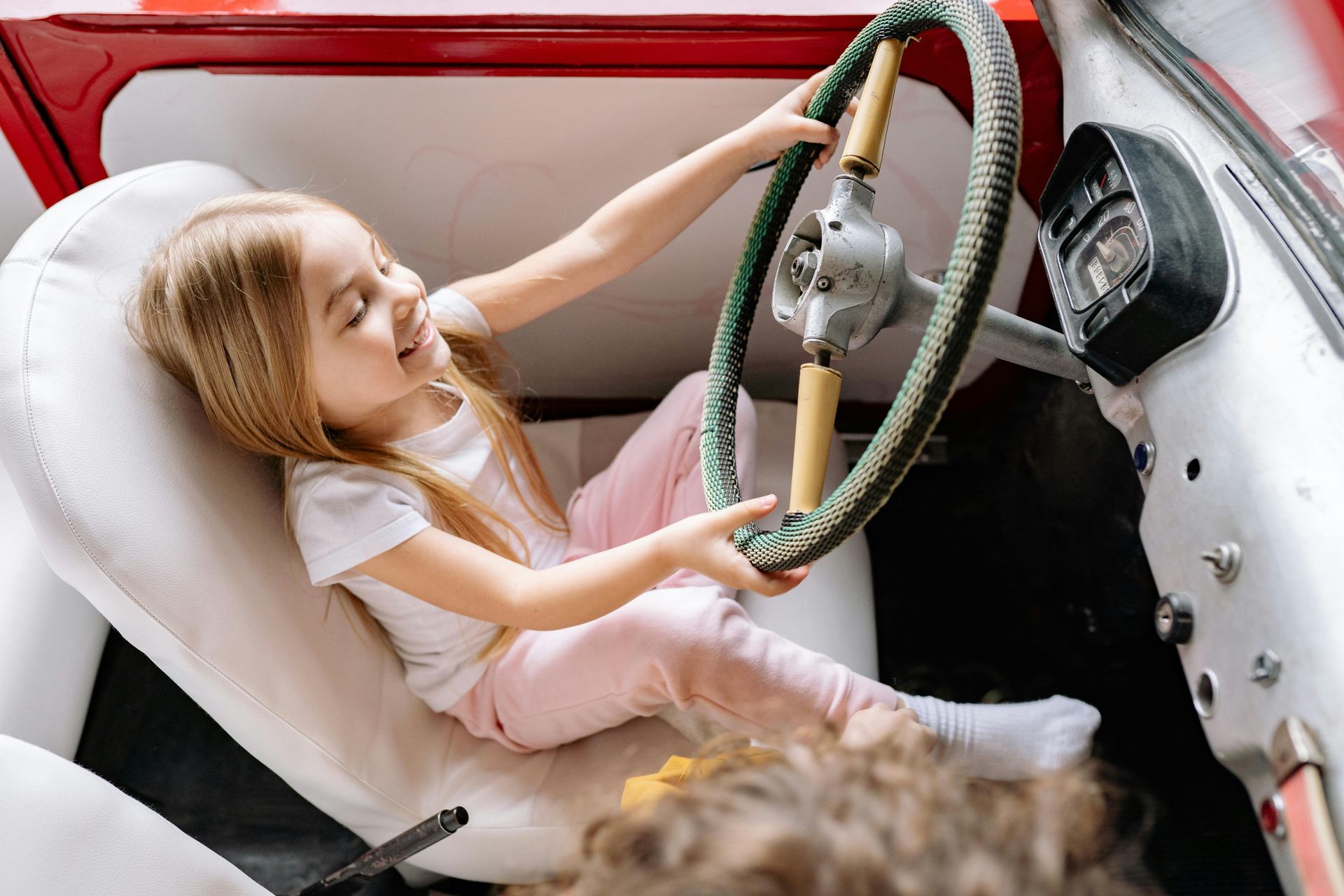
Buckle up — literally. Just like in the UK, seatbelts are compulsory for everyone, front and back.
If anyone in your vehicle isn’t wearing a seatbelt, you could be fined €135 (reduced to €90 if paid promptly). That includes the back seat.
💡 Family-friendly tip: Pack child seats appropriate for French and EU safety standards and plan rest stops — little people get uncomfortable fast, and having a safe spot to stretch makes everyone happier.
👶 Children & Car Seats
French law is very clear when it comes to children:
- Children under 10 are not allowed in the front seat — which can actually help settle those front-seat arguments nice and early.
- Children under 10 must travel in the back seat.
- If they weigh under 15kg, they must be in an appropriate child car seat.
- Above this weight, they can use a seatbelt with a booster seat.
- If flying, make sure you book the correct sized car seat but even better, bring your own - with permission from the airline you can use the car seat on the plane seat which can make the flight far easier. Some car hire companies arn't great at providing suitable (or clean!) car seats - often it appears to be first come first served even if you've booked. They will not help you fit it, so bringing your own may well be the safest option.
🌿 Low-Emission Zones in France: What You Need to Know
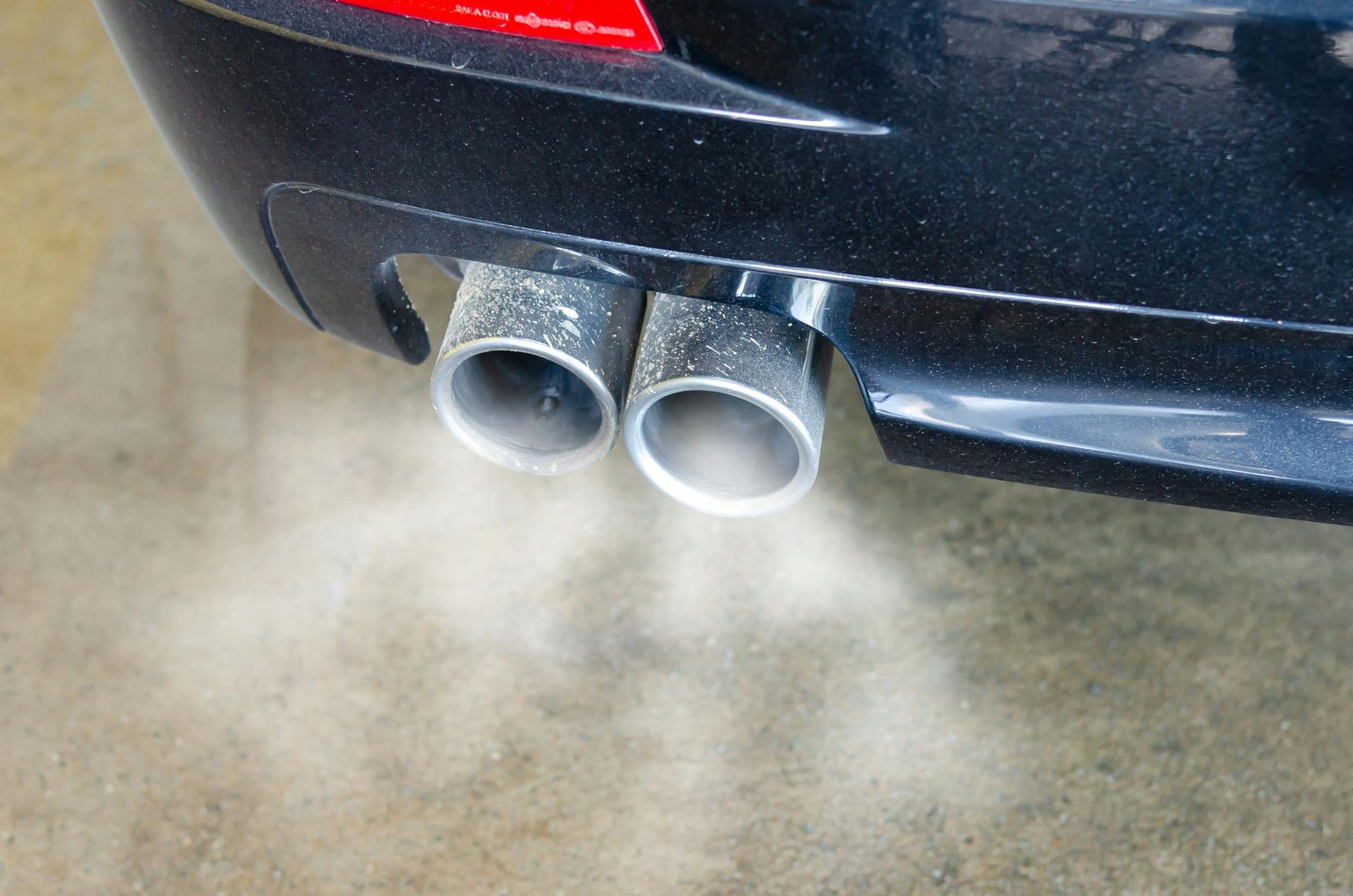
If you’re driving in France, especially in large towns or cities, you may need a Crit’Air sticker. This air-quality certificate shows your vehicle’s emissions level and is required in all French cities with a population of 150,000 or more.
You must apply before you travel — stickers can’t be bought in France and can take up to six weeks to arrive. However you apply online and will receive an email authorisation which shows your critair status, as a foreign vehicule you should display it in the window if stopping over in one of these cities if your sticker hasn't arrived in time.
Check your vehicle’s emissions carefully, as some older vehicles don’t qualify, meaning they’re not allowed to drive in low-emission zones. French hire cars will already have one.
A small sticker, but an important one to avoid fines and holiday stress. 🚗🇫🇷
Apply on the official website here https://www.certificat-air.gouv.fr/
🚦 One Last Thing Before You Drive Off…
Once everyone is safely strapped in, remember the golden rule: in France, you drive on the right-hand side of the road.
Take your time to settle into the change, especially on the first day. Try to keep distractions to a minimum — that means fewer snack negotiations, toy-retrieval missions and back-seat debates until you feel confident on French roads.
A calm start makes for a much happier family journey — and a much better beginning to your holiday. 🇫🇷🚘
Speed limit on the autoroutes is 130 kph (80 mph) WHEN DRY ! When it's wet /raining then the limit is 110 kph (68 mph)
National speed limit is 80 kph (49 mph) unless otherwise stated
In any town / village the speed limit is 50 kph (30 mph) unless otherwise stated. This means as soon as you pass the village sign this speed limit applies
Many villages have speed limits of 30 kph (18 mph) but there will be a sign stating this, there are also speed bumpsand other speed restricting measures
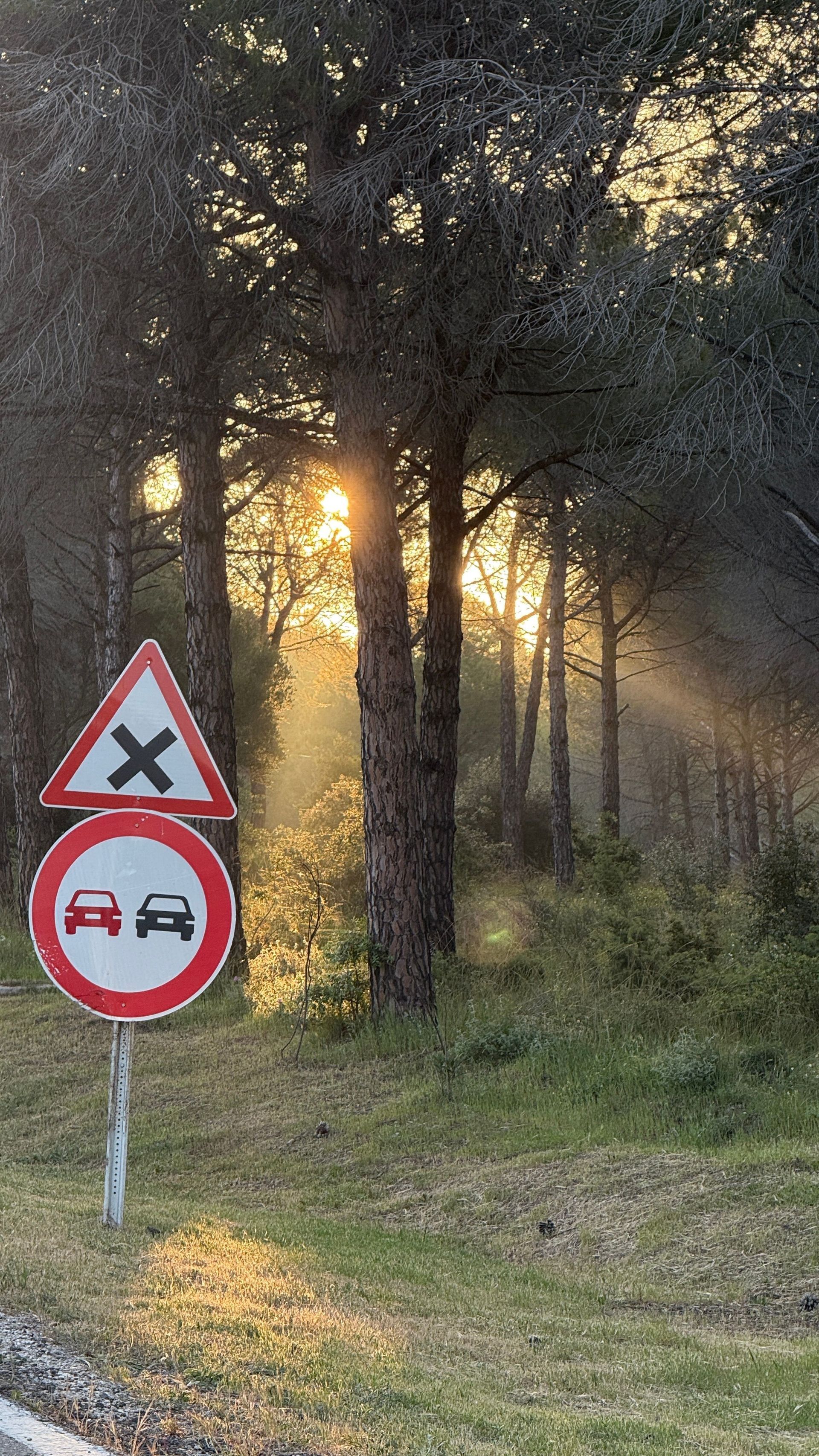
Give way to the right rule
A peculiarity in France is that often on country lanes and through villages, if you see the top sign below even if you are on a main road you MUST GIVE WAY to those coming from the right
✈️ Final Thought: Start Early & Travel Calmly
Travel with children is one of life’s most rewarding puzzles — chaotic, joyful, and full of unexpected fun. But nothing dampens holiday spirits faster than being stopped at the border because someone’s passport expires too soon.
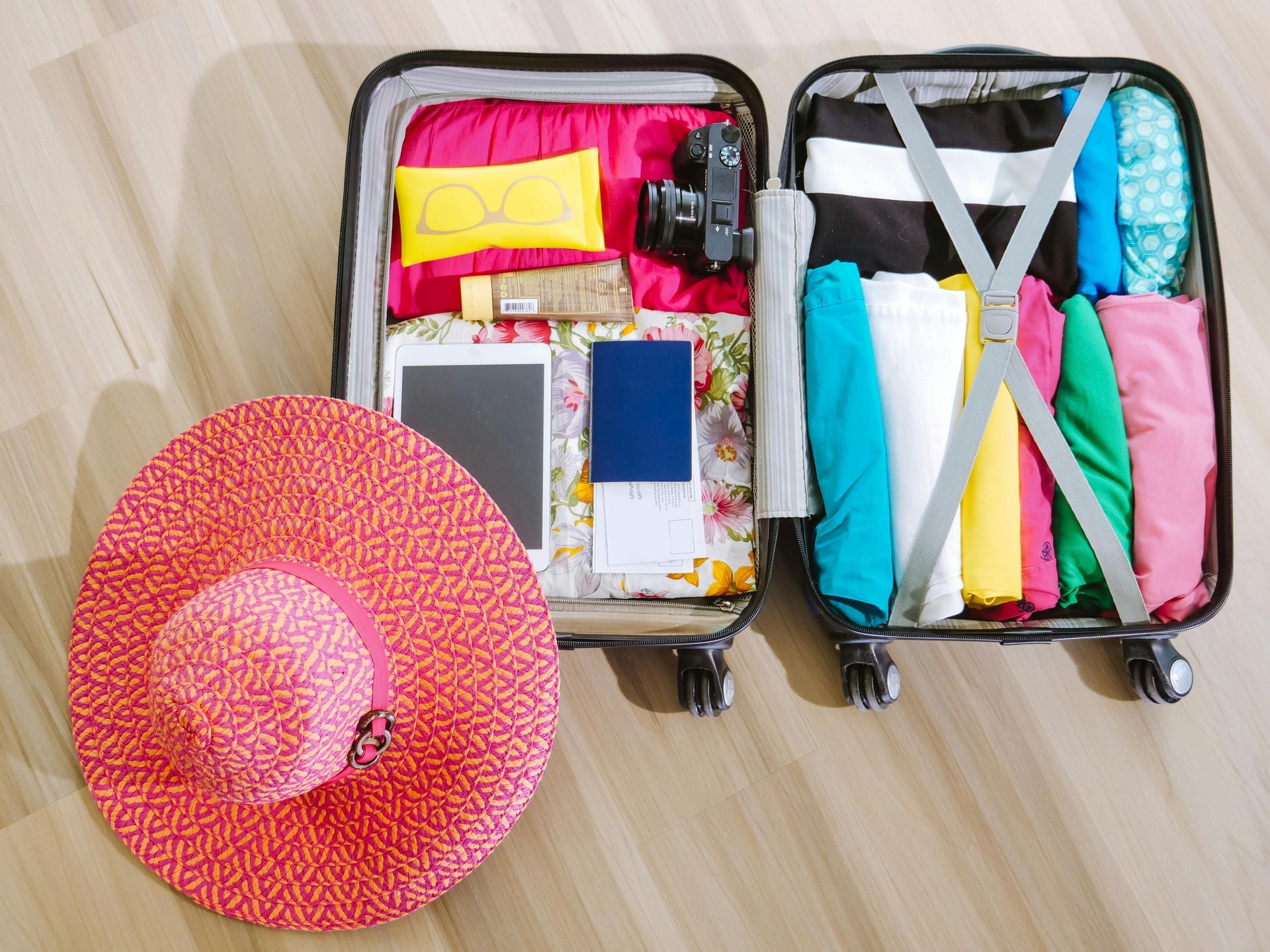
Before you zip up your suitcase with swimwear and favourite blankies:
double-check every passport, insurance policy, and travel document.
Do it early, so last-minute panic is a thing of the past.
Happy travels — and bon voyage!✨